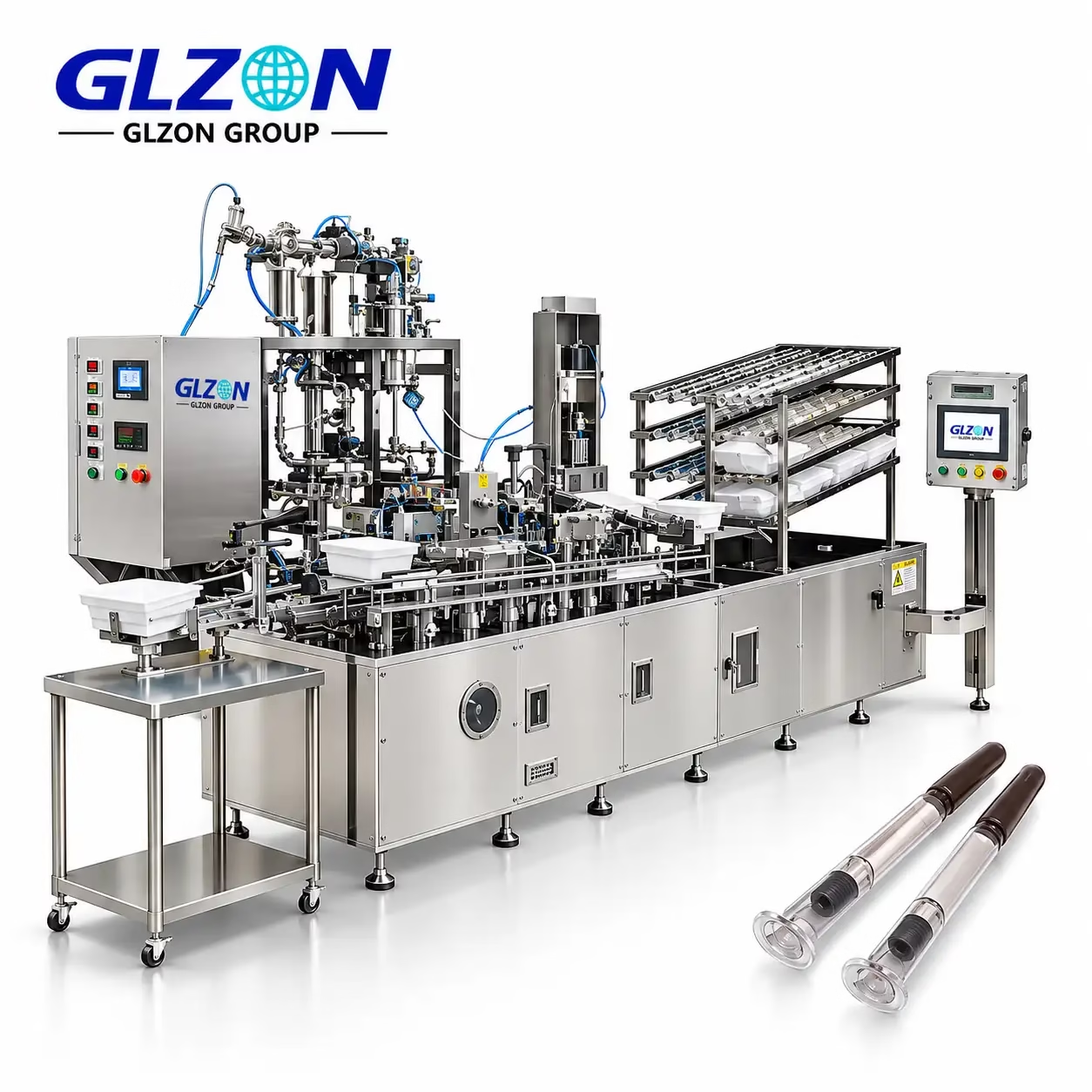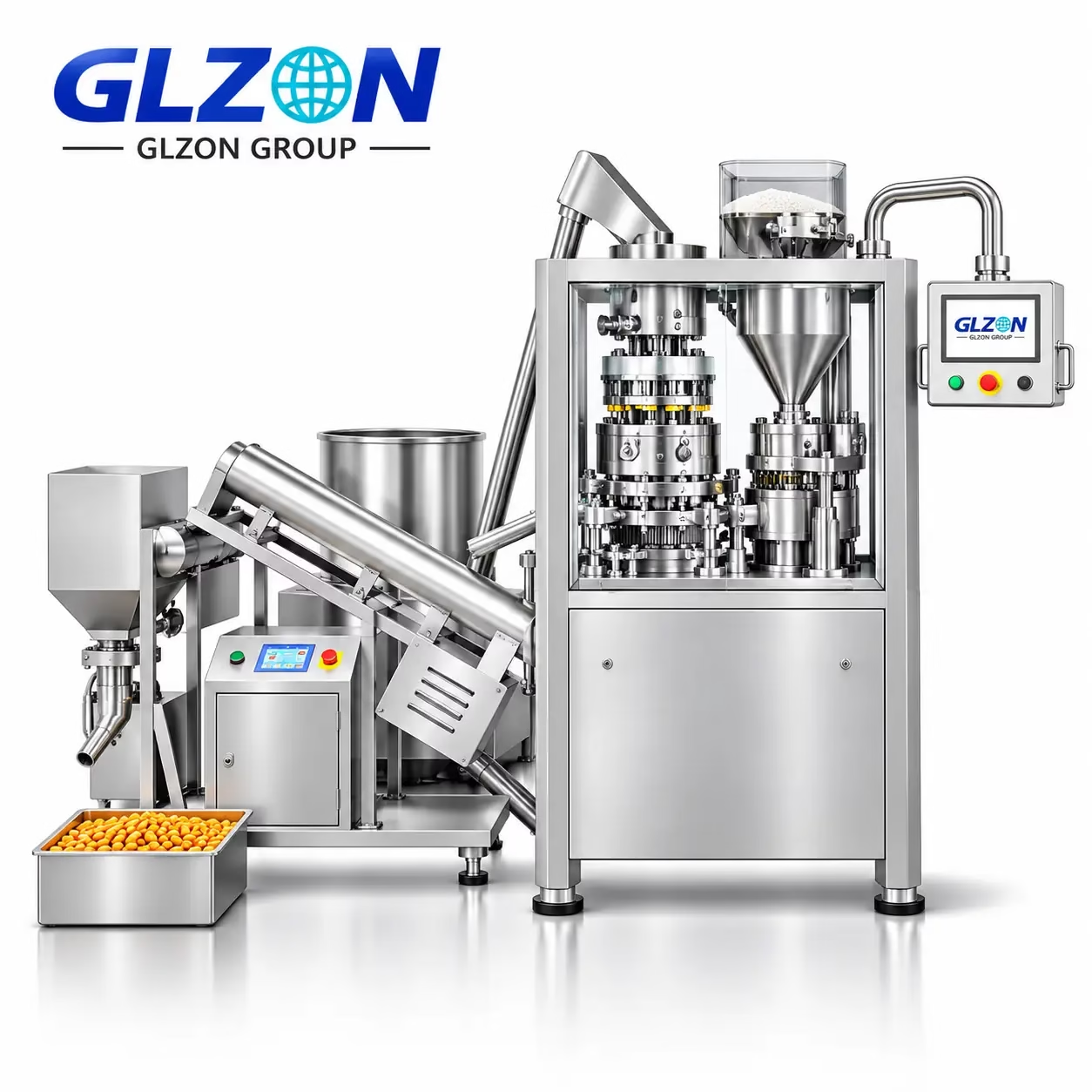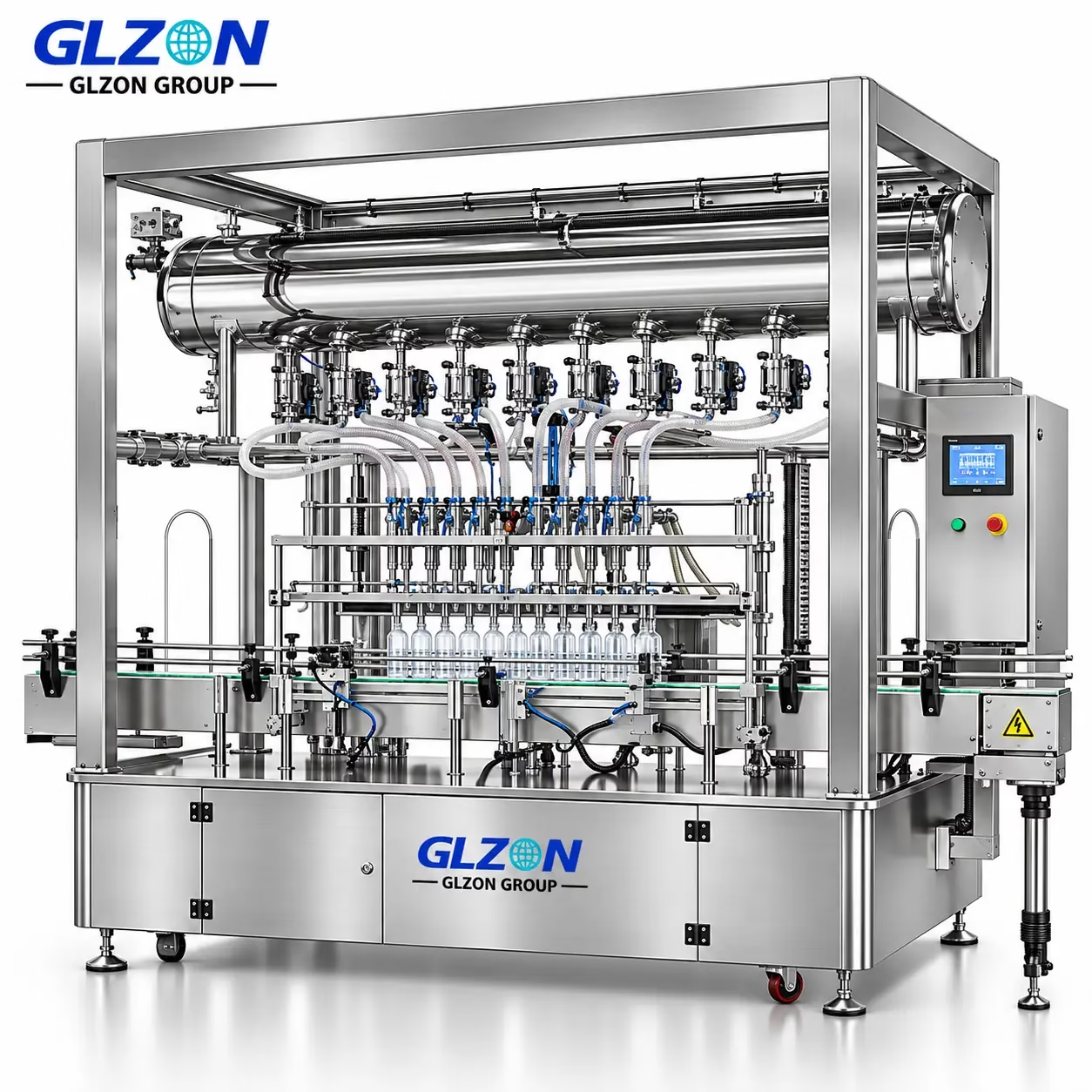
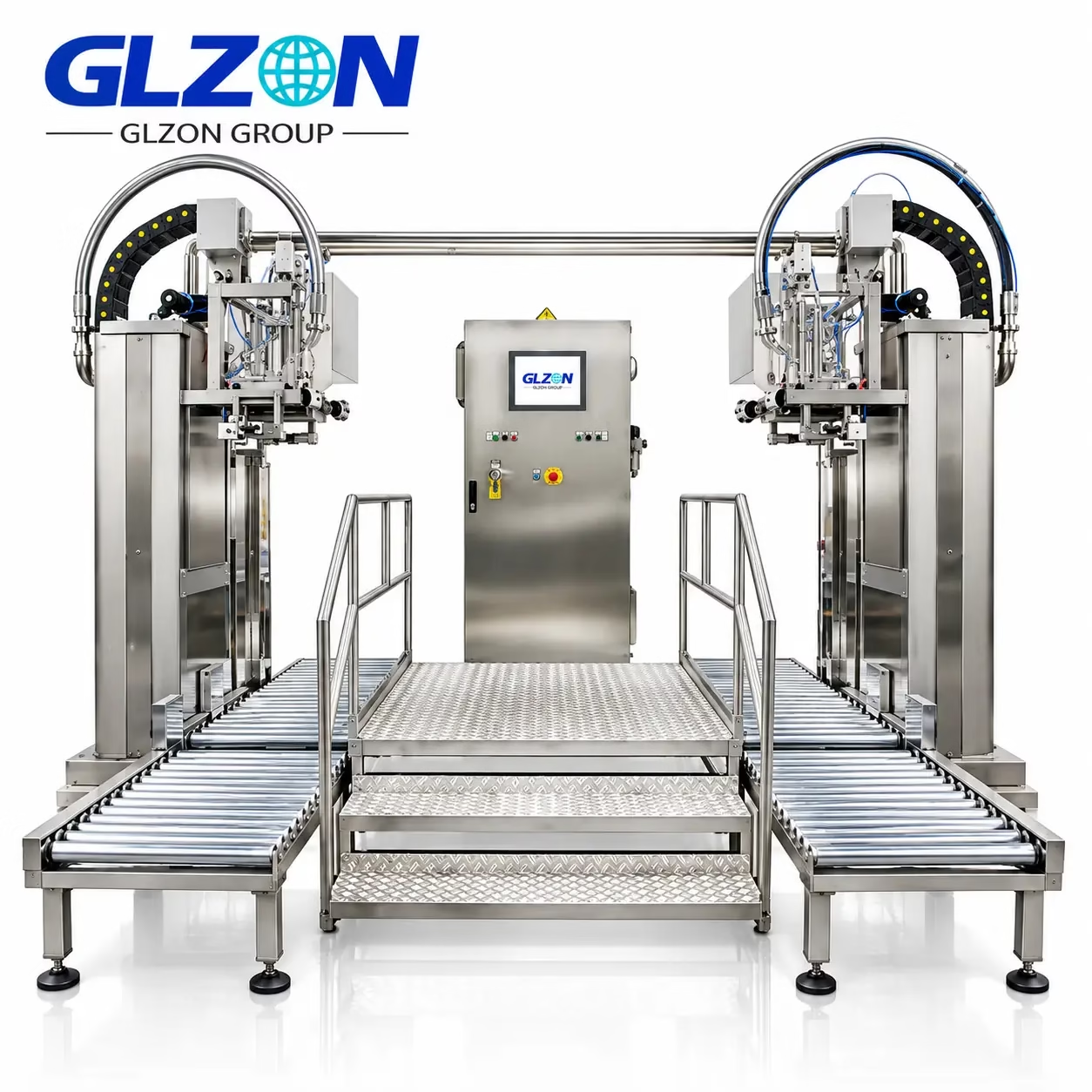
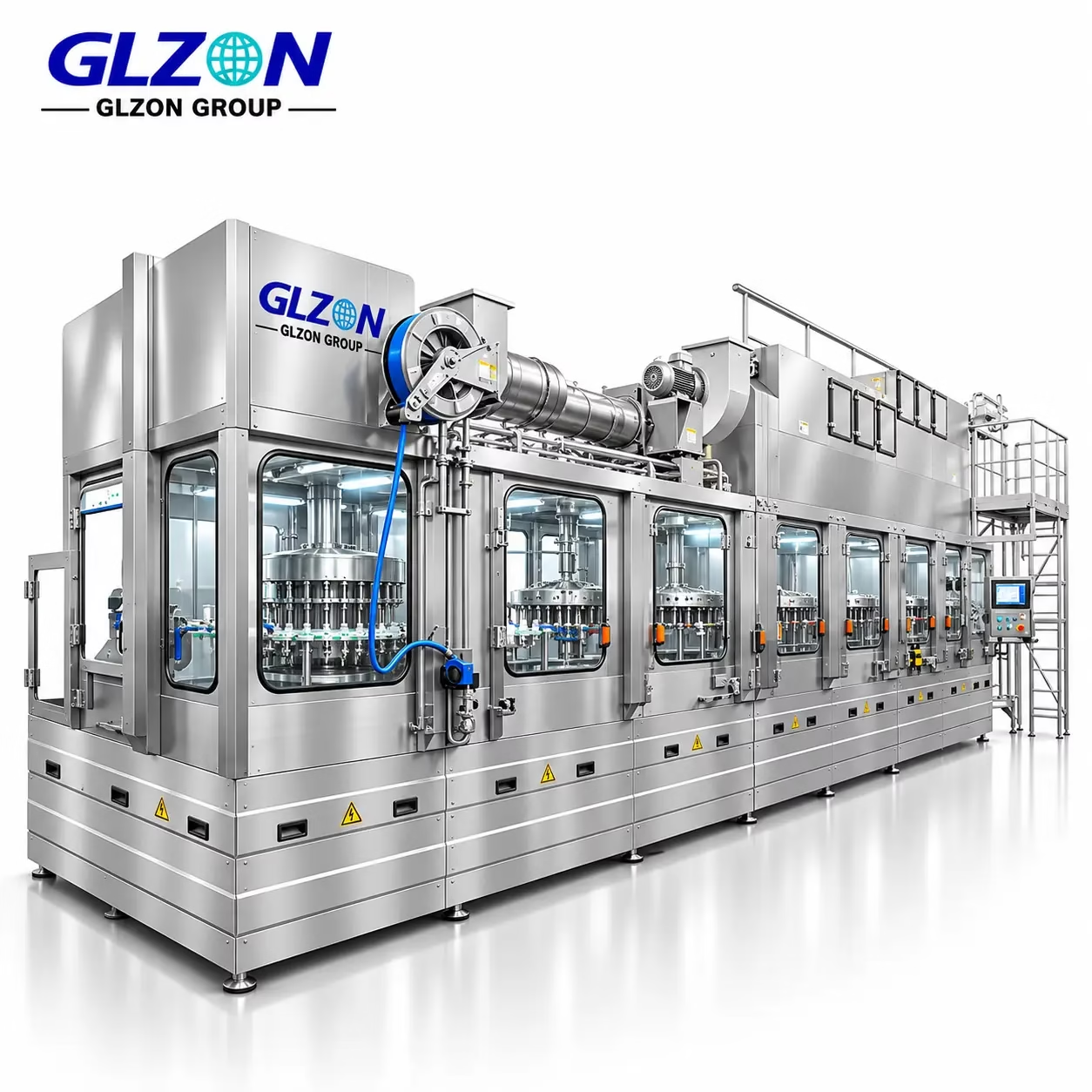
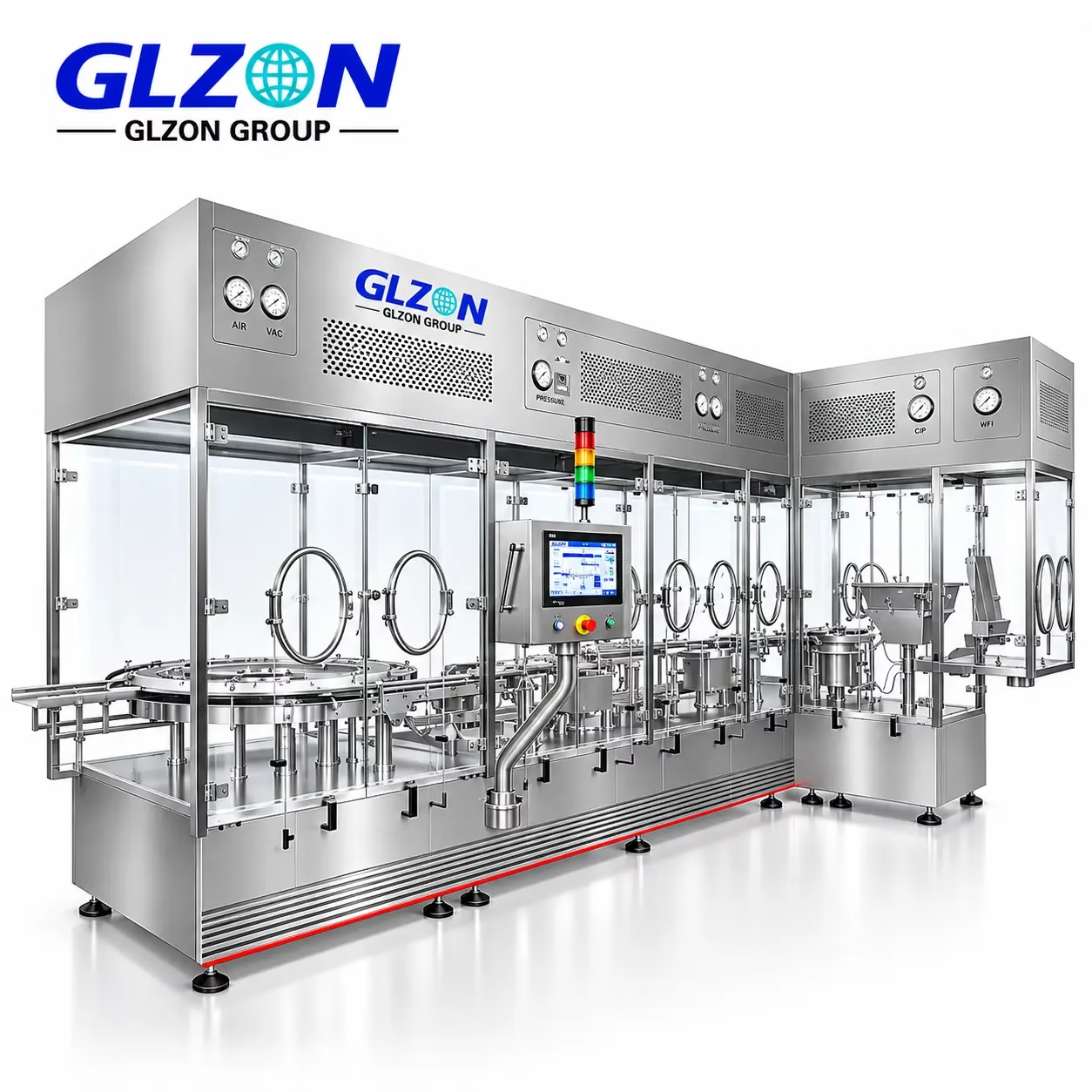
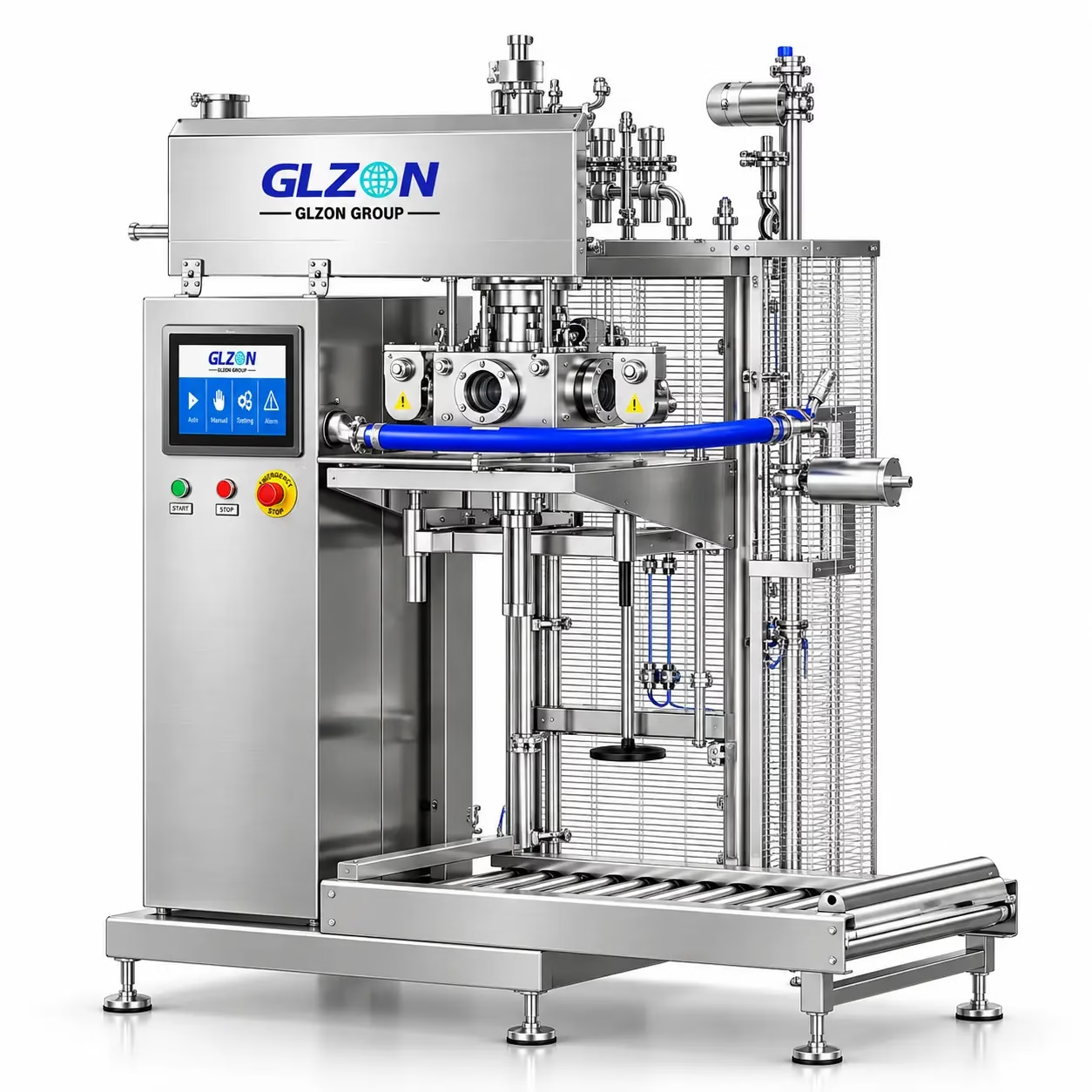
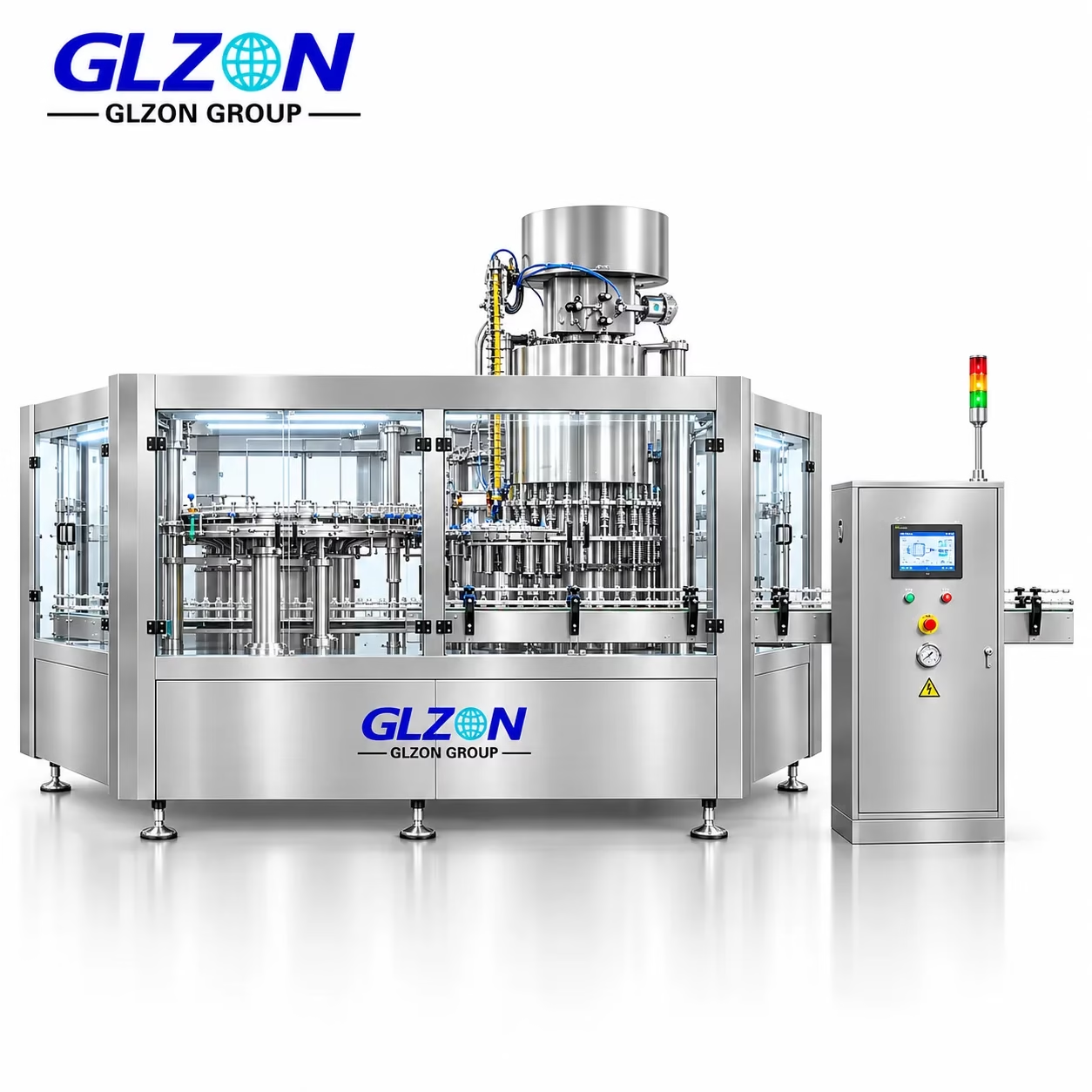
What Is an Aseptic Filling Machine?
An aseptic filling machine is equipment used to fill a commercially sterile product into suitable sterile packaging under controlled conditions.
The main purpose is to prevent contamination during filling and sealing.
First, the product goes through a suitable treatment process. Meanwhile, the packaging and filling system must also meet the required hygiene conditions.
Next, the system fills the product into the prepared container. Finally, the package is sealed to protect its contents.
This process is different from ordinary liquid filling because it requires careful control of the product, equipment, packaging, and filling environment.
For food manufacturers, a properly designed and validated aseptic process may also support longer shelf life. However, the final result depends on the product, packaging, and complete production process.
Why Are Aseptic Filling Machines Important?
Food and beverage manufacturers need reliable ways to protect product quality.
In addition, many businesses want to reduce manual handling and improve production efficiency.
A suitable aseptic filling system can offer several advantages.
1. Better Product Protection
Aseptic filling takes place under conditions designed to prevent contamination.
Therefore, manufacturers must control the filling environment and protect the product throughout the process.
However, the system needs proper validation and routine monitoring to confirm its performance.
2. Support for Product Shelf Life
Suitable aseptic processing and packaging may help certain products remain stable for longer periods.
For example, some treated beverages and fruit products can be packed in sterile containers.
As a result, these products may have different storage requirements from products packed using ordinary filling methods.
Still, shelf life must be established through appropriate product testing.
3. Reduced Manual Handling
Automatic aseptic filling machines may combine several tasks into one production system.
For example, suitable equipment can handle container movement, filling, and sealing.
Consequently, operators may need to perform fewer manual tasks during production.
4. More Organized Production
A well-designed filling line can help manufacturers manage repeated production batches.
In addition, automatic controls may support filling adjustments and process monitoring.
This can make daily production easier to manage.
5. Flexible Packaging Options
Aseptic filling systems are available for different packaging formats.
For example, suitable machines may handle bags, cartons, bottles, or bulk containers.
However, compatibility depends on the selected machine and packaging design.
Types of Aseptic Filling Machines
Different industries use different types of aseptic packaging equipment.
Therefore, buyers should compare machine types before deciding which system fits their production needs.
Automatic Aseptic Filling Machine
An automatic aseptic filling machine can combine product filling and packaging operations with limited operator handling.
Depending on the model, it may include container feeding, sterilization functions, filling, sealing, and discharge.
As a result, automatic systems can be suitable for factories with regular production demand.
However, buyers should confirm which functions are included in the machine.
Semi-Automatic Aseptic Filling Machine
Semi-automatic equipment combines controlled machine functions with manual handling.
For example, operators may position suitable containers before filling begins.
This type of system can offer more flexibility for certain production tasks.
However, any required sterile conditions must still be maintained throughout the process.
Aseptic Bag Filling Machine
An aseptic bag filling machine is designed for suitable sterile bag packaging.
These systems are often considered for products such as fruit juice, fruit puree, and beverage ingredients.
Depending on the equipment, bags may be placed inside boxes or drums for transport.
In addition, bag filling systems may be useful for bulk storage and distribution.
Aseptic Drum Filling Machine
Some food manufacturers use sterile bags inside large drums.
In this process, the machine fills the bag rather than allowing the product to contact the drum itself.
Therefore, buyers must confirm the bag format, filling connection, and required hygiene controls.
A suitable drum filling setup may support bulk handling of liquid food products.
Aseptic Carton Filling Machine
Aseptic carton filling machines are used for suitable liquid products packed in cartons.
For example, certain beverage and dairy products use this packaging format.
The system must prepare the packaging, fill the product, and seal the container under the required conditions.
However, the exact process depends on the packaging material and machine design.
How Do Aseptic Filling Machines Work?
The operation of an aseptic filling system involves several controlled steps.
Although machine designs vary, the general process follows a similar pattern.
Step 1: Product Preparation
First, the product goes through the required preparation and treatment process.
For example, some liquid food products need suitable heat treatment before aseptic filling.
However, treatment requirements depend on the product and approved production process.
Step 2: Equipment Preparation
Next, the filling equipment must be prepared for production.
Depending on the design, this may involve cleaning and sterilization procedures.
In addition, operators must check that the required process conditions have been achieved.
Step 3: Packaging Preparation
The packaging must be suitable for aseptic filling.
Some systems use pre-sterilized packaging. Others include a package sterilization stage.
Therefore, the packaging method must match the selected filling system.
Step 4: Controlled Product Filling
The machine transfers the prepared product into the packaging.
During this stage, the system must maintain the required hygienic conditions.
In addition, suitable controls help manage the filling process.
Step 5: Container Sealing
After filling, the machine seals the package.
This step is important because the seal helps prevent contamination after production.
For this reason, seal quality is a key factor in the final packaging process.
Step 6: Finished Product Handling
Finally, the filled packages move to the next production stage.
Depending on the line, further operations may include inspection, labeling, packing, and palletizing.
Key Features to Consider in Aseptic Filling Equipment
Before purchasing aseptic filling machines, buyers should understand the main functions and equipment requirements.
Hygienic Machine Design
The machine should use suitable product-contact materials and a design that supports cleaning.
In addition, important areas should be accessible for inspection and maintenance.
The required materials depend on the product and application.
Filling Control
A suitable filling system helps deliver the required amount of product into each package.
However, actual filling performance depends on liquid properties and machine settings.
Therefore, buyers should request verified filling data for their intended product.
Cleaning and Sterilization Functions
Some aseptic systems support Clean-in-Place (CIP) or Sterilize-in-Place (SIP) functions.
These features can help prepare suitable equipment without extensive manual disassembly.
However, their availability must be confirmed for the selected model.
Automatic Control System
Depending on the equipment, a control system may monitor operating conditions and machine functions.
For example, a touchscreen may show machine status and operating alerts.
In addition, some systems support production records and process monitoring.
Packaging Compatibility
Different containers require different filling and sealing methods.
Therefore, manufacturers should confirm the supported bag, bottle, carton, or drum format.
Safety and Maintenance
Routine maintenance is important for long-term machine operation.
For this reason, buyers should review service access, operating instructions, and available technical support.
Aseptic Filling Machine Technical Specifications
Each aseptic filling machine has different technical requirements.
Therefore, the final specifications should come from the actual machine datasheet.
| Specification | Details to Confirm |
|---|---|
| Machine type | Automatic or semi-automatic |
| Product | Juice, puree, beverage, or suitable liquid |
| Packaging format | Bag, carton, bottle, or bulk container |
| Filling volume | Supported filling range |
| Filling speed | Packages per hour |
| Filling accuracy | Verified performance |
| Filling method | Available dosing technology |
| Sterilization system | Supported process and controls |
| Cleaning functions | CIP or SIP availability |
| Product-contact materials | Material grade and compatibility |
| Control system | Operating interface and records |
| Power supply | Voltage, frequency, and power |
| Air supply | Required pressure and flow |
| Machine dimensions | Equipment footprint |
| Documentation | Available test records and manuals |
Before placing an order, ask the supplier to confirm these details.
In addition, request information about optional equipment, spare parts, and support services.
Applications of Aseptic Filling Machines
Aseptic packaging technology is used across several food and beverage industries.
However, each product requires an appropriate process and suitable filling equipment.
Fruit Juice Production
Some juice manufacturers use aseptic packaging for treated fruit juices and related products.
For example, certain juice products can be packed in sterile bags or cartons.
As a result, these systems may support bulk distribution or consumer packaging.
Fruit Puree and Concentrate
Fruit puree and concentrate producers often need equipment suitable for thicker products.
Therefore, the filling method must match the product’s flow properties.
In addition, buyers should review the packaging format and filling temperature requirements.
Beverage Manufacturing
Aseptic systems may be used for suitable processed beverages.
However, the product treatment and packaging process must be designed together.
Dairy Processing
Certain dairy products use aseptic packaging systems.
In this industry, hygiene controls and process validation are especially important.
Therefore, manufacturers should confirm the applicable food safety requirements before selecting equipment.
Liquid Food Ingredients
Some food manufacturers package prepared liquid ingredients for later processing.
For example, suitable fruit bases or other processed liquid ingredients may use aseptic packaging.
However, product compatibility must be evaluated before machine selection.
Aseptic Filling vs. Conventional Liquid Filling
Aseptic filling and conventional liquid filling have different process requirements.
| Comparison | Aseptic Filling | Conventional Liquid Filling |
|---|---|---|
| Main purpose | Fill sterile products under controlled conditions | Fill products according to standard process needs |
| Product preparation | Requires an appropriate sterile product process | Depends on the product |
| Packaging | Sterile packaging requirements | Depends on the application |
| Filling environment | Controlled aseptic conditions | Depends on hygiene requirements |
| Process validation | Critical for aseptic performance | Depends on product and regulations |
| Equipment complexity | Usually higher | Varies by machine |
| Typical applications | Certain beverages and processed food products | Oils, detergents, beverages, and other liquids |
How to Choose the Right Aseptic Filling Machine
Selecting an aseptic filling machine requires more than comparing prices.
For this reason, buyers should prepare a clear list of production requirements.
Identify Your Product
First, determine which liquid you want to package.
For example, juice and thick fruit puree may need different filling arrangements.
Also, consider temperature, product flow, and any particles in the material.
Choose Your Packaging Format
Next, identify the container type and size.
Some manufacturers need small retail packages. Others prefer large bags inside drums for bulk handling.
Therefore, packaging selection is an important early decision.
Estimate Production Capacity
Calculate your expected production demand.
In addition, consider cleaning, maintenance, and packaging changeovers.
This will help you select a machine with a suitable operating capacity.
Review Process Requirements
Aseptic production needs proper control of the complete process.
Therefore, buyers should review product treatment, packaging preparation, equipment design, and validation requirements.
Check Factory Conditions
Before ordering, confirm the available floor space and utilities.
Also, review your electrical supply and other required connections.
Compare Supplier Support
Finally, ask about machine testing, operating manuals, spare parts, installation support, and service arrangements.
A clear quotation should explain the equipment scope and available support.
Aseptic Filling Machine Price
The price of aseptic filling machines depends on equipment type, production capacity, and project requirements.
For example, a fully automatic line may require a larger investment than a simpler system.
In addition, packaging preparation, process controls, and other equipment can affect the total cost.
What Affects Aseptic Filling Machine Prices?
Important factors include:
- Machine automation level
- Product type and viscosity
- Packaging format and filling range
- Required production capacity
- Sterilization and cleaning requirements
- Control and monitoring functions
- Filling and sealing systems
- Machine construction materials
- Supporting equipment
- Factory testing and documentation
- Shipping, installation, and after-sales service
Therefore, buyers should request a quotation based on their actual production requirements.
Also, confirm whether the quoted price includes all necessary equipment.
Why Contact GLZON for Your Filling Equipment Project?
Shanghai GLZON Equipment Co., Ltd. is an industrial filling and packaging machinery manufacturer based in Shanghai, China.
Our established equipment portfolio includes liquid filling machines, drum filling systems, IBC filling equipment, and packaging line solutions.
We understand that different industries have different production requirements.
For this reason, buyers should share their products, containers, target output, and factory conditions before selecting equipment.
If you need an aseptic filling machine, contact GLZON to confirm available configurations and discuss your project.
Our team can review the information you provide and explain the next steps.
Frequently Asked Questions About Aseptic Filling Machines
What are aseptic filling machines?
Aseptic filling machines are used to fill suitable sterile products into sterile packaging under controlled conditions.
As a result, the process aims to protect the product from contamination during filling and sealing.
What is an automatic aseptic filling machine?
An automatic aseptic filling machine carries out filling and related packaging tasks with limited manual handling.
However, the level of automation depends on the machine model.
What products can be packed using aseptic filling?
Suitable products may include processed fruit juice, fruit puree, beverage ingredients, and certain dairy products.
However, every product needs an appropriate process and compatible packaging.
What is an aseptic bag filling machine?
It is equipment designed to fill suitable sterile bags under controlled conditions.
For example, some food manufacturers use this packaging format for liquid products and fruit concentrates.
Can aseptic filling machines handle thick liquids?
Some systems can process suitable thick products.
However, the correct filling method depends on the material’s flow properties.
Therefore, product testing is important before purchasing equipment.
Does aseptic filling increase product shelf life?
A properly designed and validated process may support longer shelf life for certain products.
However, shelf life depends on product treatment, packaging, storage conditions, and testing results.
What is the difference between aseptic and sterile filling?
Both terms relate to contamination control. However, technical requirements vary by industry and application.
In food processing, aseptic filling involves commercially sterile products, packaging, and controlled filling conditions.
How much does an aseptic filling machine cost?
The price depends on the machine type, capacity, packaging format, and required functions.
Therefore, buyers should request a project-specific quotation.
How do I choose an aseptic filling machine supplier?
First, explain your product and packaging requirements.
Next, review the proposed equipment, technical specifications, and process documentation.
Finally, compare the machine scope, support services, and total project cost.
Contact GLZON for Aseptic Filling Equipment Inquiries
Are you planning a new food or liquid packaging project?
GLZON welcomes inquiries from international manufacturers looking for filling and packaging machinery.
For aseptic filling equipment, please send your requirements so we can check available solutions and discuss your needs.
Please share the following information:
- Product name and liquid type
- Product viscosity or flow properties
- Packaging type and size
- Required filling capacity
- Production speed
- Process and hygiene requirements
- Destination country
- Factory voltage and available space
Shanghai GLZON Equipment Co., Ltd.
Factory Address: No. 409, Xintuo Road, Songjiang District, Shanghai, China
WhatsApp: +86 133 0188 8847
Email: services.glzon@gmail.com
Send us your production requirements to discuss available equipment and request a quotation.