What Is a Syringe Filling Machine?
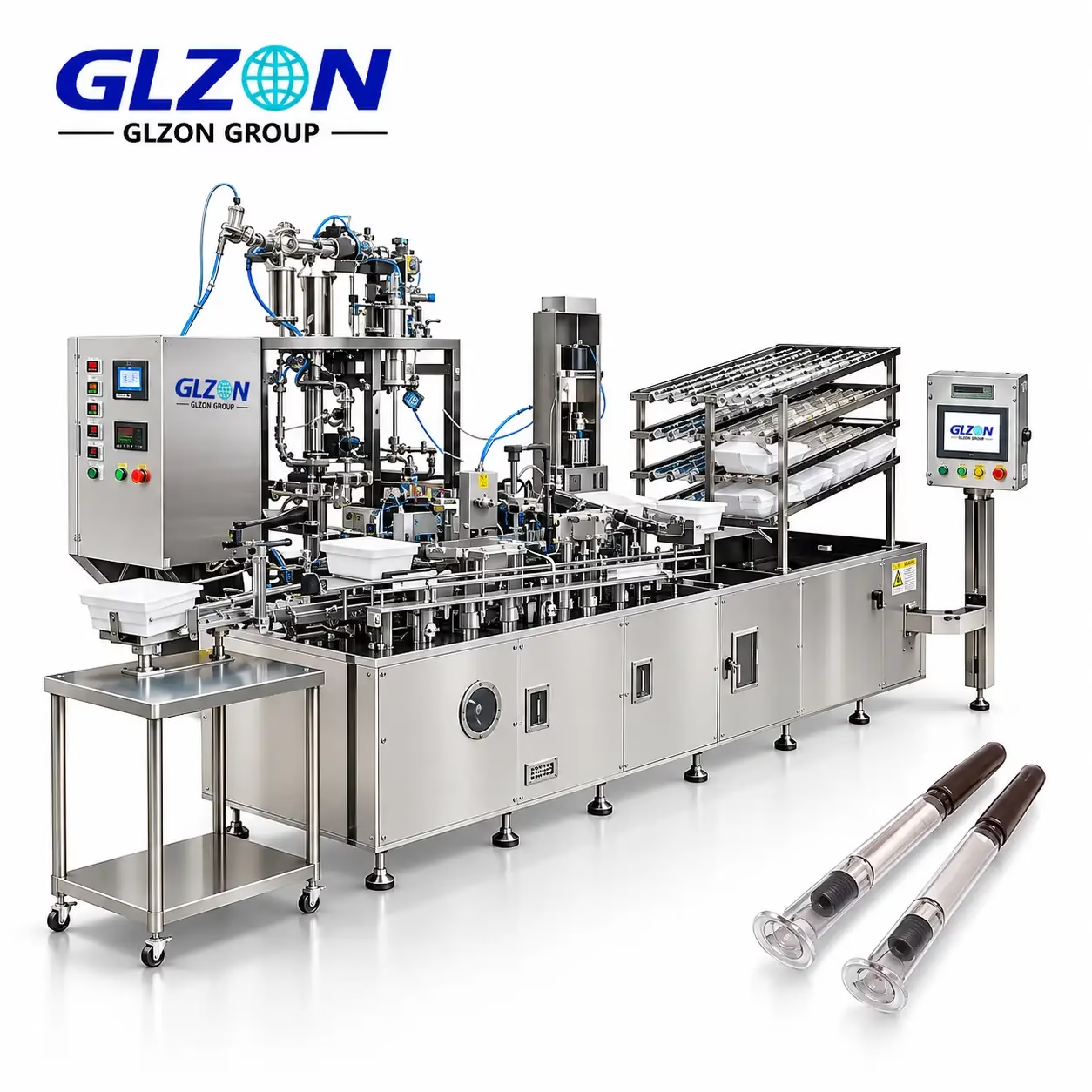
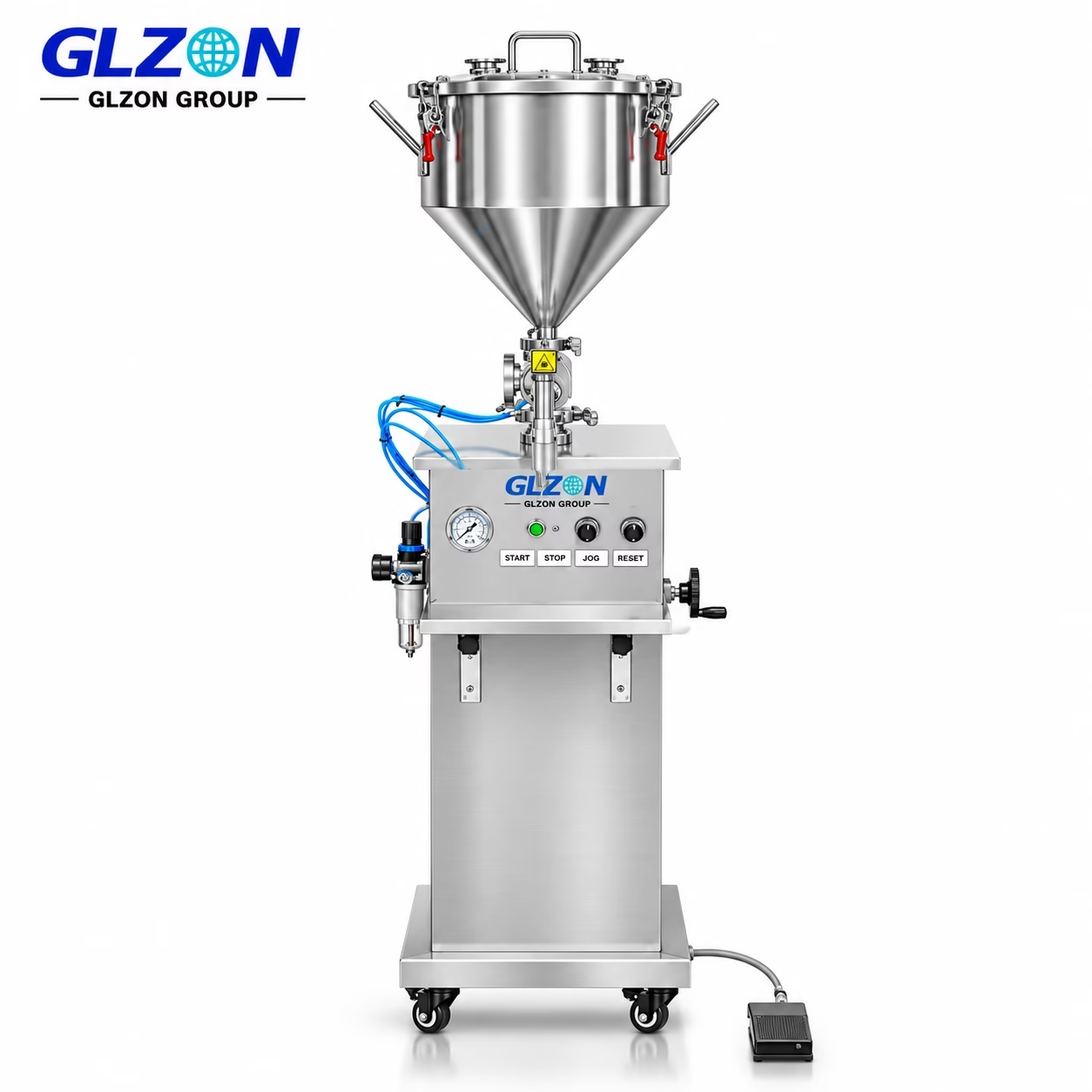
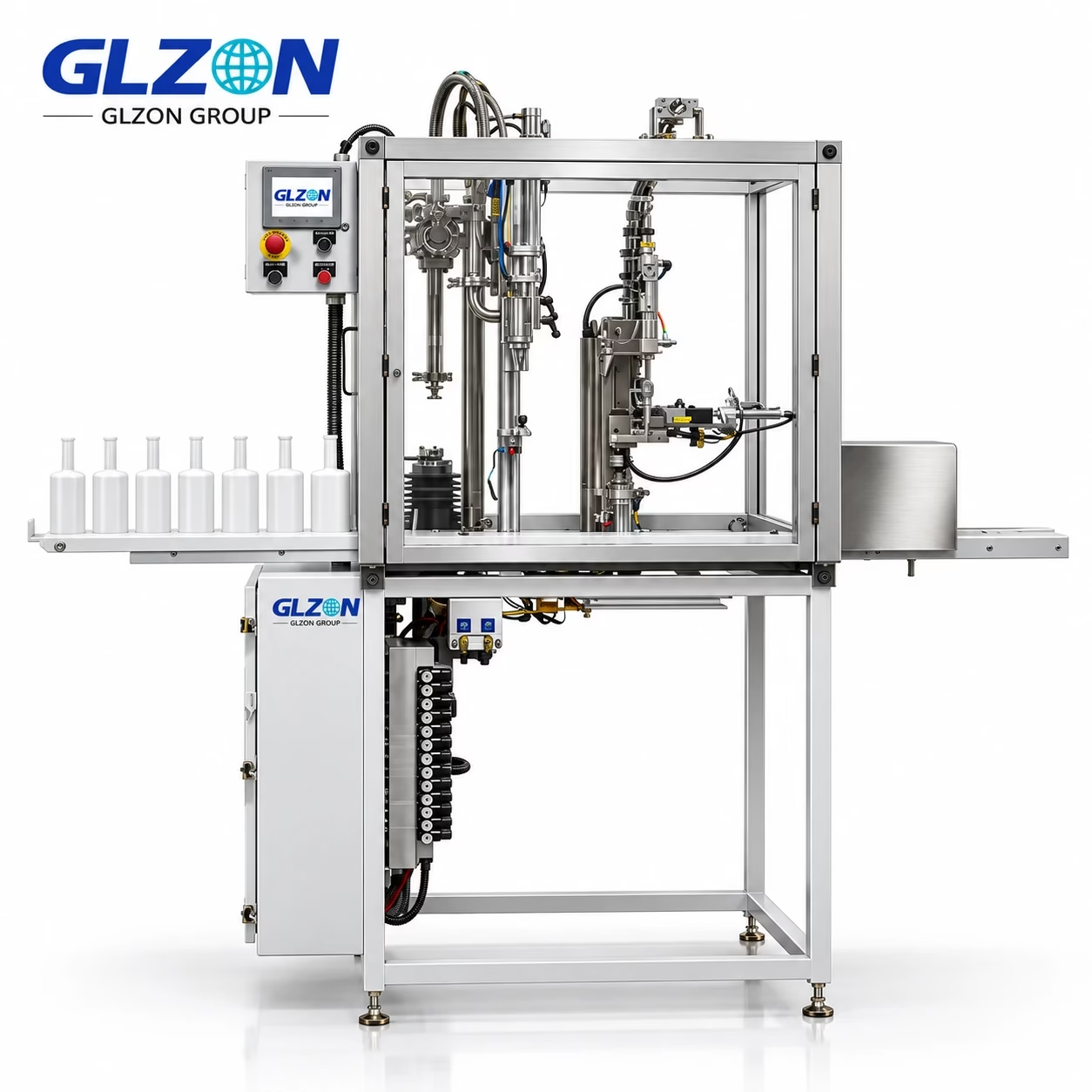
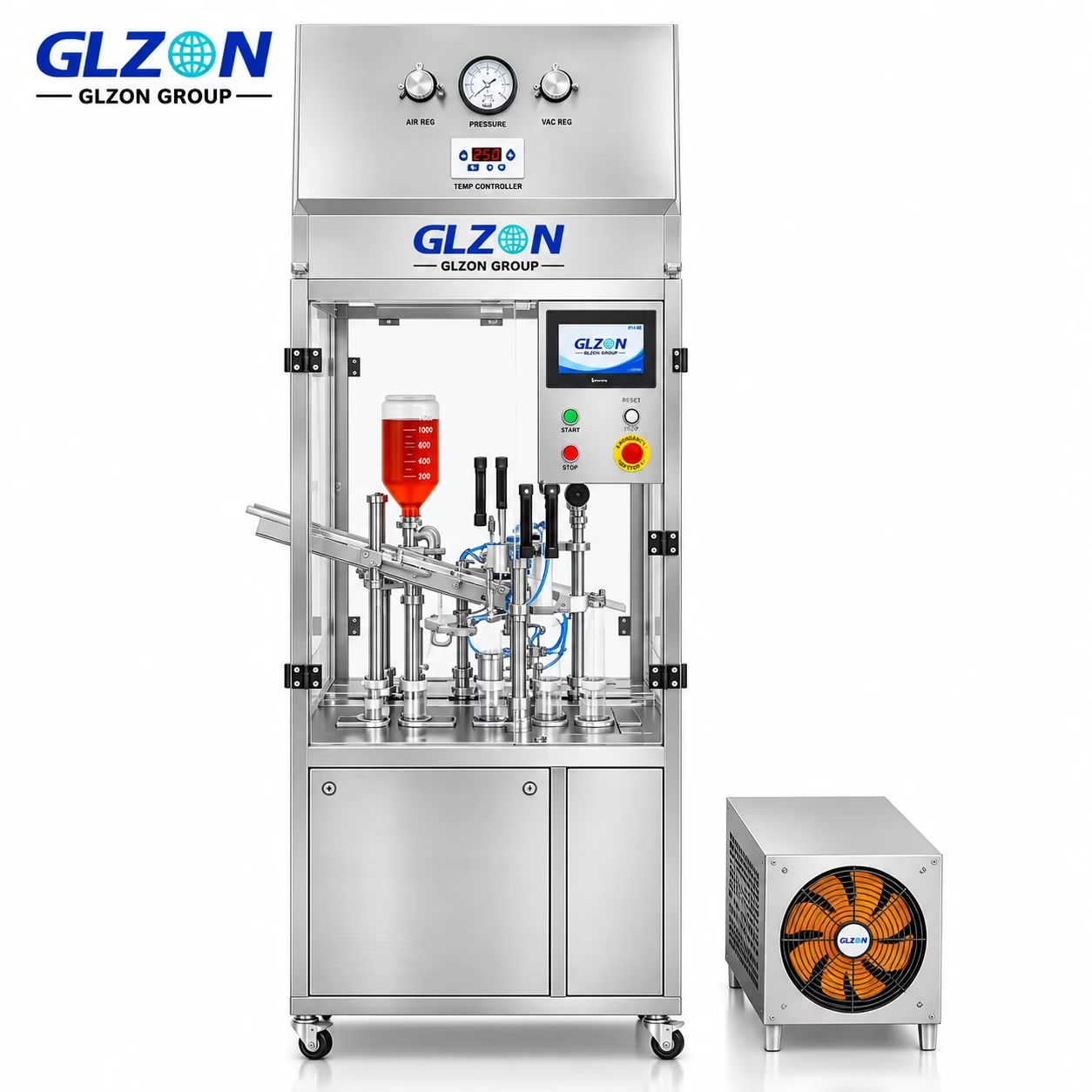
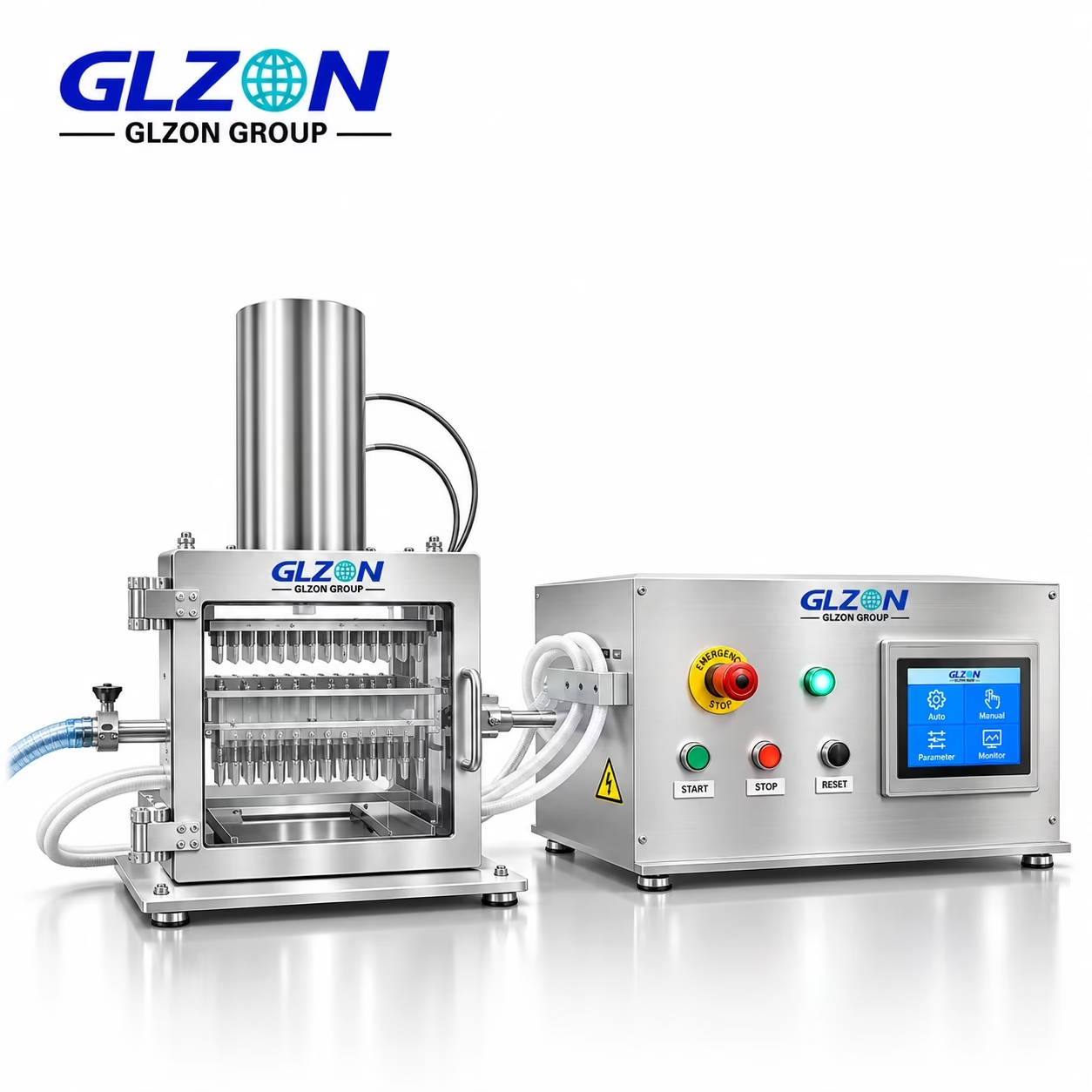
A syringe filling machine is a piece of equipment that measures and fills liquid into syringes. Depending on its design, it may also support stopper placement and other handling steps.
These machines are used in several production settings. For example, some manufacturers use syringe filling systems for medical products, while others need them for suitable industrial materials.
An automatic syringe filler can handle more steps with less manual work. In contrast, a semi-automatic model needs more operator support.
Therefore, choosing the right system starts with understanding your product and production goals.
Benefits of Using a Syringe Filling Machine
The right equipment can improve daily production. In addition, it can help workers manage filling tasks in a more organized way.
1. More Consistent Filling
A suitable dosing system helps control the amount of liquid in each syringe.
As a result, manufacturers can aim for more consistent filling across production batches. However, actual filling accuracy depends on the machine, product, and operating settings.
2. Reduced Manual Work
An automatic syringe filling machine can reduce repeated tasks during production.
For example, a suitable system may handle syringe feeding, filling, and stopper placement. Consequently, operators can spend more time checking the process.
3. Better Production Flow
Automated equipment can connect several tasks in one system.
Therefore, manufacturers may reduce delays between production steps. This can be useful when handling large orders.
4. Less Product Waste
A suitable filling system can help control liquid flow during each filling cycle.
In addition, proper nozzle selection may reduce dripping and spills. Still, the results depend on the liquid and machine design.
5. Support for Future Growth
Production needs often change as a business grows.
For this reason, buyers should compare current output with future demand. A suitable machine can help support higher production volumes.
Types of Syringe Filling Machines
Syringe filling equipment comes in different designs. However, the best choice depends on production speed, budget, and product requirements.
Automatic Syringe Filling Machine
An automatic syringe filling machine carries out several production steps with limited manual handling.
Depending on its design, the system may include automatic syringe feeding, filling, stopper placement, and finished-product discharge.
As a result, this type of machine may suit factories with regular production demand.
Before ordering, buyers should confirm its speed, supported syringe sizes, and available functions.
Semi-Automatic Syringe Filling Machine
A semi-automatic syringe filler combines machine-controlled filling with some manual tasks.
For example, workers may place syringes into the equipment before the filling process begins.
Therefore, this option can be useful for smaller batches or production lines that do not need full automation.
Prefilled Syringe Filling Machine
A prefilled syringe filling machine handles syringes that will hold a measured amount of product before use.
These machines may support glass or plastic syringe formats, depending on the model.
In addition, certain systems include stopper placement and special product handling functions.
For sterile medical products, the full production process must meet the required quality and safety rules.
Syringe Filling and Stoppering Machine
A syringe filling and stoppering machine combines liquid filling with stopper placement.
First, the system fills the syringe. After that, the machine places the correct stopper into position.
This approach can reduce manual handling between these two stages.
However, the actual process varies by equipment design.
How Does a Syringe Filling Machine Work?
The working process depends on the machine type and syringe format. Nevertheless, many systems follow a similar sequence.
Step 1: Syringe Feeding
First, empty syringes enter the filling system.
Depending on the equipment, workers may load them by hand or use an automatic feeding unit.
Next, the machine moves each syringe into the correct position.
Step 2: Syringe Positioning
The equipment holds the syringe in place before filling begins.
For this reason, the handling parts must match the selected syringe size and shape.
Correct positioning also helps the machine carry out the next step.
Step 3: Liquid Filling
The dosing unit delivers the required amount of liquid into each syringe.
For example, some systems use piston pumps, while others use peristaltic pumps.
However, the filling method must match the product’s properties and production requirements.
Step 4: Stopper Placement
If the machine includes a stopper station, it places a suitable stopper into the filled syringe.
As a result, the product can move to the next stage with less manual handling.
For sterile products, this step must take place within a suitable controlled process.
Step 5: Finished Syringe Discharge
Finally, the machine transfers the filled syringes to the collection area or the next production station.
Depending on the line, further steps may include inspection, labeling, and packing.
Main Components of a Syringe Filling Machine
Different models use different parts. However, buyers should understand the main equipment functions before requesting a quotation.
Filling Pump
The pump controls the movement of liquid through the system.
For example, a piston pump and a peristaltic pump use different methods to move product. Therefore, their suitability depends on the filling task.
Filling Nozzle
The filling nozzle delivers liquid into the syringe.
Its design should match the syringe opening and product properties. In addition, nozzle movement may affect the filling process.
Syringe Holding System
The holding system keeps syringes in the correct position.
As a result, it supports stable handling during filling and transfer.
Control Panel
Many automatic machines use a control screen to manage operating settings.
For example, the screen may show production status and machine alerts. However, available functions vary by model.
Stopper Placement Unit
This unit handles stopper placement after filling.
Depending on the equipment, the process may use mechanical or vacuum-assisted functions.
Safety and Protection System
Machine safety is an important part of equipment design.
Therefore, buyers should review machine guards, emergency-stop controls, and other safety features.
For sterile products, further measures may be needed to protect the filling process.
Syringe Filling Machine Technical Specifications
Technical specifications vary between manufacturers and machine models.
Therefore, buyers should request a clear datasheet before making a purchasing decision.
| Technical Item | Details to Confirm |
|---|---|
| Machine type | Automatic or semi-automatic |
| Syringe type | Glass or plastic compatibility |
| Filling material | Liquid or gel |
| Syringe volume | Supported syringe sizes |
| Filling range | Minimum and maximum fill volume |
| Production speed | Syringes per hour |
| Filling accuracy | Verified accuracy for the product |
| Filling system | Pump and dosing method |
| Stoppering function | Included or optional |
| Control system | Available settings and controls |
| Power supply | Voltage and frequency |
| Air supply | Required pressure and flow |
| Machine dimensions | Length, width, and height |
| Product-contact materials | Material specifications |
| Safety features | Available protection functions |
The final machine details should match your production conditions.
Applications of Syringe Filling Equipment
Syringe filling machines can support several types of production. However, each application has its own quality and safety requirements.
Pharmaceutical Manufacturing
Certain prefilled syringe filling systems support the production of injectable medical products.
For these applications, companies need suitable equipment and controlled production conditions.
In addition, the complete process must meet the applicable quality rules. Machine selection alone does not guarantee sterile production.
Medical and Diagnostic Products
Some syringe filling systems handle products used in medical or diagnostic settings.
However, the filling equipment must match the product and its intended use.
Therefore, manufacturers should confirm all relevant safety and quality requirements.
Veterinary Products
Syringe filling systems may support certain veterinary product lines.
Before choosing equipment, manufacturers must review the product, syringe format, and production requirements.
Cosmetic and Gel Products
Some manufacturers use syringe-style packaging for suitable cosmetic gels and related products.
However, thick materials may need a different dosing system from thin liquids.
For this reason, testing the actual material is important.
Industrial Liquid Products
Certain industrial products use syringe-style containers for accurate dispensing.
For example, suitable equipment may fill small amounts of adhesive or other technical liquids.
In this case, buyers should focus on product thickness, material compatibility, and filling control.
Automatic vs. Semi-Automatic Syringe Filling Machine
Both machine types can be useful. However, they serve different production needs.
| Comparison | Automatic Machine | Semi-Automatic Machine |
|---|---|---|
| Machine operation | More automated steps | More manual tasks |
| Production demand | Regular or higher output | Smaller production batches |
| Operator involvement | Generally lower | Generally higher |
| Machine investment | Often higher | Often lower |
| Production flexibility | Depends on machine design | Depends on machine design |
| Suitable buyer | Growing or established factories | Small and medium production lines |
For example, a factory with regular large orders may benefit from automatic equipment.
In contrast, a smaller business may prefer a semi-automatic machine with fewer automated functions.
Therefore, compare the total cost with your actual production needs before choosing.
How to Choose the Right Syringe Filling Machine
Buying a filling machine is a major business decision. For this reason, manufacturers should review several important factors.
1. Check Your Liquid Properties
First, identify the material you want to fill.
Is it a thin liquid or a thick gel? Does it foam or contain particles?
These details affect the choice of pump and filling method.
2. Confirm Syringe Size
Next, check the syringe size and material.
For example, some machines support certain glass syringes, while others handle suitable plastic formats.
Therefore, confirm the machine’s exact range before ordering.
3. Decide Your Production Speed
Estimate how many syringes you need to fill each hour.
In addition, consider the time required for cleaning, changeovers, and routine checks.
A realistic target will help you compare machine options.
4. Review Filling Accuracy
Filling accuracy is important when working with measured liquid volumes.
However, accuracy depends on the machine and product conditions.
Therefore, ask the supplier for test data that matches your application.
5. Check Your Factory Requirements
Review your available floor space and electrical supply.
Also, confirm whether the machine needs compressed air, vacuum, or other support systems.
For regulated production, consider the required facility controls as well.
6. Discuss Maintenance and Support
Routine maintenance helps keep equipment in working condition.
For this reason, ask about cleaning access, spare parts, operating manuals, and technical support.
Syringe Filling Machine Price
The price of a syringe filling machine depends on its design, production capacity, and required features.
For example, an automatic system with several filling stations will often cost more than a basic semi-automatic model.
In addition, special handling systems and quality requirements can increase project costs.
What Affects the Machine Price?
Important price factors include:
- Automatic or semi-automatic operation
- Number of filling stations
- Syringe size compatibility
- Filling pump and nozzle design
- Production capacity
- Stopper placement functions
- Control system
- Machine construction materials
- Required safety or cleanroom features
- Factory testing and documentation
- Shipping and installation requirements
Therefore, it is better to request a detailed quotation than compare machines by price alone.
Also, ask whether the quoted amount includes spare parts, extra tooling, and technical support.
Why Contact GLZON for Your Filling Equipment Project?
Shanghai GLZON Equipment Co., Ltd. focuses on industrial liquid filling and packaging machinery.
Our established product range includes liquid filling machines, drum filling systems, IBC filling equipment, and other packaging solutions.
As an equipment manufacturer based in Shanghai, China, GLZON works with customers who need filling and packaging solutions for their production lines.
For syringe filling equipment, please contact our team to confirm model availability and project suitability.
By sharing clear requirements, you can help our team understand your production goals and provide relevant information.
Frequently Asked Questions About Syringe Filling Machines
What is a syringe filling machine used for?
A syringe filling machine measures and fills liquid into suitable syringe containers.
Depending on the model, it may also handle syringe feeding and stopper placement.
What is an automatic syringe filling machine?
An automatic syringe filling machine carries out several filling steps with limited manual work.
As a result, it may suit regular production with higher output needs.
Can a syringe filling machine handle thick liquids?
Some machines can handle suitable gels or thick liquids.
However, the pump and filling system must match the product. Therefore, material testing is important.
What is a prefilled syringe filling machine?
A prefilled syringe filling machine handles syringes that contain a measured amount of product before use.
For sterile medical applications, the full production process must meet the required quality standards.
What is the difference between filling and stoppering?
Filling places the required amount of liquid inside the syringe.
Stoppering then places a suitable stopper into position. Some machines combine both functions.
How many syringes can a filling machine produce per hour?
Production speed varies by model, syringe size, and product.
Therefore, buyers should request actual capacity data from the supplier.
How much does a syringe filling machine cost?
The cost depends on machine capacity, automation, filling method, and additional functions.
For an accurate price, buyers should request a quotation based on their requirements.
Is every syringe filling machine suitable for sterile products?
No. Sterile production requires suitable equipment, controlled conditions, and a validated process.
Therefore, manufacturers should confirm all applicable requirements before selecting a machine.
Contact GLZON for a Syringe Filling Machine Inquiry
Are you planning a new liquid filling project?
GLZON welcomes inquiries from international buyers looking for industrial filling and packaging equipment.
For syringe filling equipment, send us your production requirements so we can review the project and confirm available options.
Please include your filling material, syringe type, required filling volume, production speed, and destination country.
Shanghai GLZON Equipment Co., Ltd.
Factory Address: No. 409, Xintuo Road, Songjiang District, Shanghai, China
WhatsApp: +86 133 0188 8847
Email: services.glzon@gmail.com
Send us your production requirements to discuss available equipment and request a quotation.